
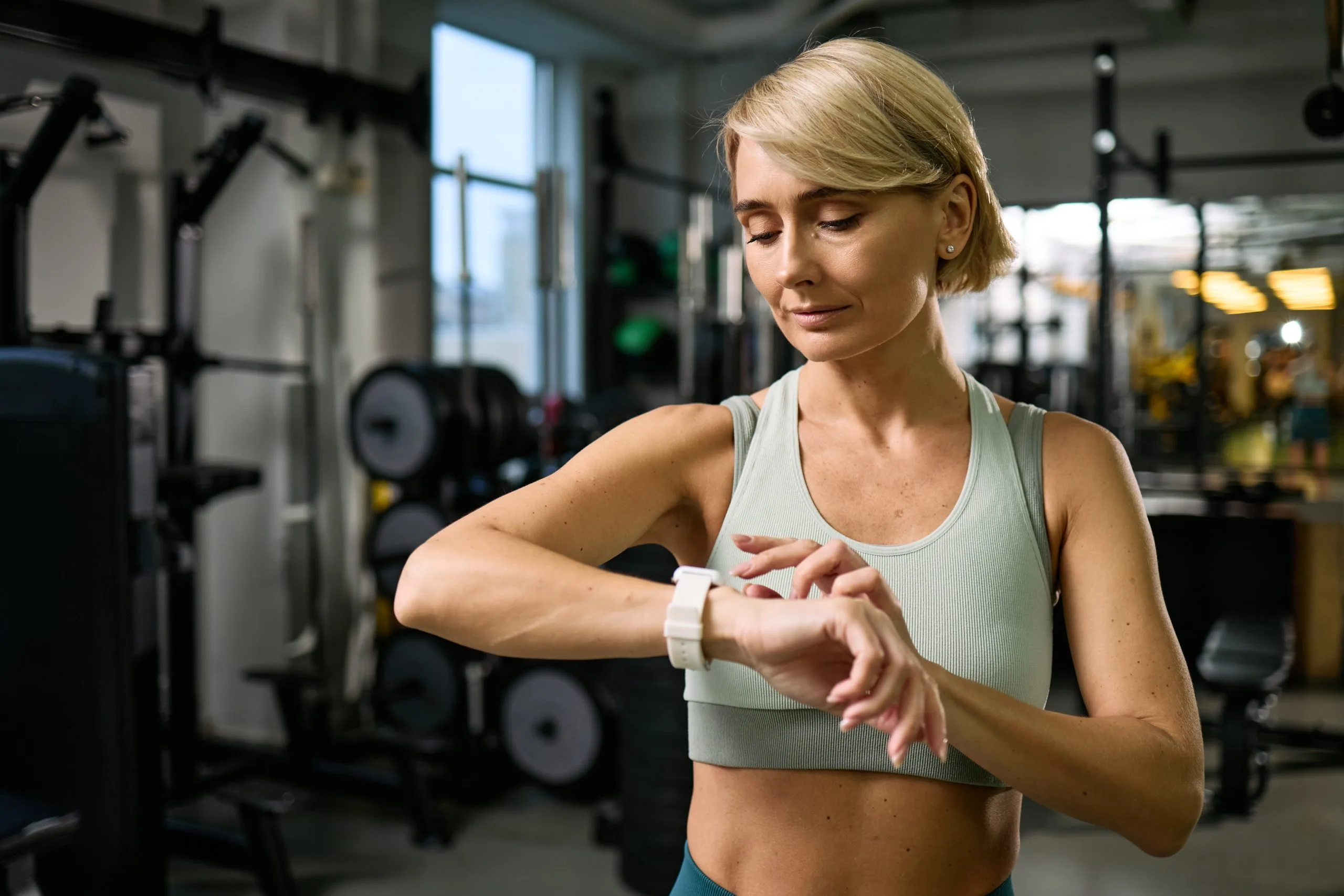
How to optimize athletic training during perimenopause comes down to four moves: lift heavy enough to protect muscle and bone, keep high-intensity work short and well spaced, build more recovery into your week, and support training with targeted nutrition, sleep, and stress management. Shifting hormones change how your body responds to training load. Adjusting your plan to match those changes helps you keep performing and progressing.
Many active women find that the training plan that worked for years suddenly stops working. Recovery takes longer. Workouts feel harder at the same pace. Body composition shifts even when habits stay the same.
These changes are not a sign that your athletic years are behind you. They signal that your physiology is changing and your training should change with it. Learning how to optimize athletic training during perimenopause lets you work with your body rather than against it.
At Koléni Health in Houston, we combine sports medicine, exercise physiology, and longevity science to help athletes train smarter through every life stage.
Perimenopause is the transition leading up to menopause. During this time, estrogen and progesterone levels rise and fall unevenly before declining. It often begins in the 40s, though some women notice changes earlier. The transition can last several years.

Symptoms vary from person to person. The ones that most often affect athletes include:
Chronic fatigue or low energy
Sleep disruption and night sweats
Mood swings or irritability
Difficulty maintaining weight or muscle mass
Slower recovery after hard sessions
Joint aches and stiffness
Irregular cycles that make training around your period harder to predict
Estrogen supports muscle repair, bone density, and how your body uses fuel. As levels fluctuate, muscle protein synthesis can slow and bone loss can speed up. Your body may also become less efficient at handling heat and recovering from hard efforts.
Progesterone shifts can affect sleep quality and body temperature. Poor sleep then affects everything else, from appetite to motivation to tissue repair. Understanding these links helps explain why the same workout can feel very different from one week to the next.
Exercise matters more during perimenopause, not less. Regular training helps preserve muscle mass, protect bone density, and support heart health. It also improves insulin sensitivity, which helps with weight management as metabolism shifts.
The mental benefits are just as important. Movement supports mood, sharpens focus, and builds confidence during a time when many women feel less in control of their bodies.
Consistent exercise can ease several perimenopausal symptoms. Strength work can reduce joint stiffness. Aerobic exercise can improve sleep quality. Regular activity also helps regulate stress hormones that can worsen mood swings and fatigue.
Your energy and recovery may vary more than they used to. Track how you feel each morning. Note sleep quality, resting heart rate, soreness, and mood. Patterns will emerge that help you decide when to push and when to pull back.
A hard session on a night of poor sleep may do more harm than good. On those days, a lighter workout or active recovery session keeps you consistent without digging a deeper hole.
Many endurance athletes rely on long, moderate efforts. During perimenopause, the balance often needs to shift toward more strength work and short, sharp intensity, with fewer long grinding sessions. This change helps protect muscle and bone while managing overall stress on the body.
Muscle mass naturally declines with age, and falling estrogen speeds that process. Strength training is the most direct way to counter it. Lifting also places healthy stress on bones, which helps maintain density. Starting before perimenopause builds a reserve. Continuing through it protects what you have built.
Lift with intent. Choose weights that feel challenging in the last few reps of each set.
Focus on compound movements. Squats, deadlifts, lunges, presses, and rows train multiple muscle groups at once.
Train two to three times per week. Give each muscle group time to recover between sessions.
Progress gradually. Add weight, reps, or sets over time.
Prioritize form.
HIIT improves cardiovascular fitness and metabolic health in less time than long steady sessions. Short, hard efforts also send a strong signal to maintain fast-twitch muscle fibers.
The key is dose. One to two HIIT sessions per week is often enough. Keep intervals truly hard and truly short, then allow full recovery between them. Stacking too many intense sessions can raise stress hormones and disrupt sleep, which works against your goals.
Aerobic work still has a place. It builds endurance, supports heart health, and helps with mood. Many athletes benefit from keeping most easy runs or rides truly easy, at a pace where conversation is comfortable.
Heart rate and pace may not line up the way they used to. Heat tolerance may drop, so plan hot-weather sessions for cooler parts of the day. Objective data from Performance Testing can help set training zones that match your current physiology rather than old numbers.
Functional training uses movements that mirror real-life and sport demands. Single-leg work, carries, and rotational exercises build stability and coordination.
Plyometrics such as jumps, bounds, and hops add impact that supports bone health and power. Start with low volume and simple movements. Build gradually to protect joints and tendons.
Connective tissue can become stiffer during perimenopause. Include dynamic warm-ups before training and gentle stretching or mobility work afterward. Foam rolling, yoga, and easy walks on rest days also support recovery.
NEAT is the energy you burn outside of formal exercise. Walking, taking stairs, standing, and moving around the house all count. As metabolism shifts, these small movements add up. Aim to break up long periods of sitting and build walking into your day.
Fatigue is one of the most common complaints during perimenopause. Start by looking at the basics: sleep, fueling, and total training load. Many women undereat relative to their training, which deepens fatigue and slows recovery.
If low energy persists despite good habits, an underlying issue may be at play. Hormonal imbalance, nutrient gaps, and overtraining can all look similar from the outside. Testing helps sort out the cause.
Mood changes can make it harder to show up for training. Set process goals, such as completing three strength sessions per week, rather than outcome goals tied to pace or weight. Training with a partner or group can add accountability. Give yourself credit for consistency, even when performance varies.
Nutrition becomes a bigger lever during perimenopause. Key priorities include:
Protein. Spread protein across meals to support muscle repair and growth.
Fueling around training. Eat before hard sessions and refuel afterward. Training fasted can add stress your body does not need right now.
Calcium and vitamin D. These nutrients support bone health.
Fiber and whole foods. Vegetables, fruits, legumes, and whole grains support gut health and steady energy.
Hydration. Night sweats and hot flashes can increase fluid needs.
Sleep is when your body repairs tissue and resets hormones. Aim for a consistent bedtime and wake time. Keep your bedroom cool and dark to help with night sweats. Limit alcohol and late caffeine, which can disrupt sleep further.
Build planned recovery into your training week. That may mean an extra rest day, a lighter week every few weeks, or swapping a hard session for easy movement when sleep has been poor. Recovery is part of training, not time away from it.
Life stress and training stress draw from the same well. When work, family, or sleep loss pile up, your body has less capacity to recover from hard workouts. Simple practices can help:
Breathing exercises before bed or after training
Short daily walks outdoors
Yoga or gentle mobility sessions
Scheduling downtime the same way you schedule workouts
General advice only goes so far. If your training has stalled, recovery keeps slipping, or symptoms are affecting your daily life, a personalized plan can make a real difference.
Our Women’s Health addresses hormonal fluctuations, sleep disruption, irregular cycles, and low energy. For athletes focused on performance, our Athletic Development brings sports medicine and exercise physiology together to build strategies around your body and goals.
Data takes the guesswork out of training. We offer Performance Testing to measure your fitness and set accurate training zones. Lab work helps identify hormonal shifts, nutrient gaps, and other factors that affect energy and recovery.
Together, these assessments show where you are today and what needs to change. Your plan can then be adjusted as your body moves through the transition. Learn more about our approach on our about us page.
Perimenopause changes how your body trains and recovers, but it does not end your progress. Prioritize strength training, keep intensity short and purposeful, protect sleep, fuel well, and build more recovery into your week. Knowing how to optimize athletic training during perimenopause, and using testing to guide your plan, helps you stay strong and keep performing for years to come.